
Meeting Registration
The Polyurethane Foam Association (PFA) will hold its 2024 Spring Meeting at The Vinoy Resort & Golf Club, Autograph Collection in St. Petersburg, FL. This will be our ninth year at the Vinoy, which has been totally revamped as one of Marriott's Autograph Collection botique hotels. Many of the remodeling projects that have been underway for the last couple of years will be complete when we arrive in May.
Please Note: Our room block at the Vinoy Autograph is now completely sold out. If you need accommodations, Kay Wright in our office recommends the following properties:
Hampton Inn & Suites St. Petersburg/Downtown
80 Beach Drive NE, Saint Petersburg, Florida, 33701 (0.5 mi)
727.892.9900
Hyatt Place St. St. Petersburg/Downtown
25 2nd St N, St. Petersburg, FL 33701 (0.6 mi)
727.220.0950
Courtyard Marriott
300 4th Street North St. Petersburg, Florida 33701 (0.7 mi)
727.450.6200
PFA Member
Meeting Registration, Vinoy Autograph, St. PetersburgPFA Non-Member
Meeting Registration, Vinoy Autograph, St. PetersburgWelcome Cocktail Reception
Tuesday, May 21, 6-7 pm
Kick off our Spring meeting with a chance to mix and mingle. Sponsored by CertiPUR-US®
2024 Spring Meeting Sessions
Wednesday, May 22 Schedule
CertiPUR-US® Report
Wednesday, May 22
10am
An update on CertiPUR-US® activities, including testing, directories, marketing, and more.
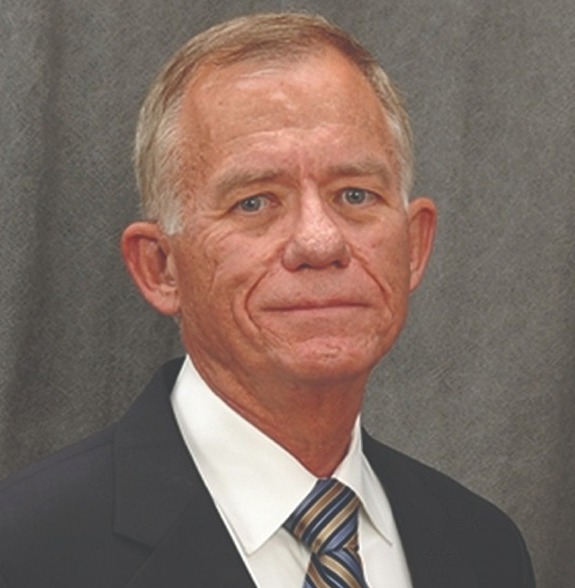
Mike Crowell
Executive Director
CertiPUR-US
Speaker Biography
Mike Crowell is Executive Director of the CertiPUR-US® program. He has more than 40 years of senior management experience in the polyurethane foam industry, including technical, manufacturing, sales and marketing positions. The CertiPUR-US program was developed to provide the comfort and confidence of knowing the flexible polyurethane foam in bedding and upholstered furniture meets program standards for content, emissions and durability and are analyzed by independent, accredited laboratories. Today, foam producers from all countries may participate in the program, as long as they meet the organization's rigorous certification guidelines.

Helen Sullivan
Communications Counsel
CertiPUR-US
Speaker Biography
Helen Sullivan, APR, Fellow PRSA, has served as Communications Counsel for the CertiPUR-US® foam certification program since the program was first established in 2008. Her expertise is in the development and implementation of industry-wide marketing programs for trade associations. During her career she has launched award-winning marketing campaigns for numerous groups including apple growers, pasta manufacturers, the bedding industry, sleep technologists and parking professionals.
Industry Issues Session
Wednesday, May 22
2-5pm
(Additional Presenters To Be Added)
Isocyanates Update
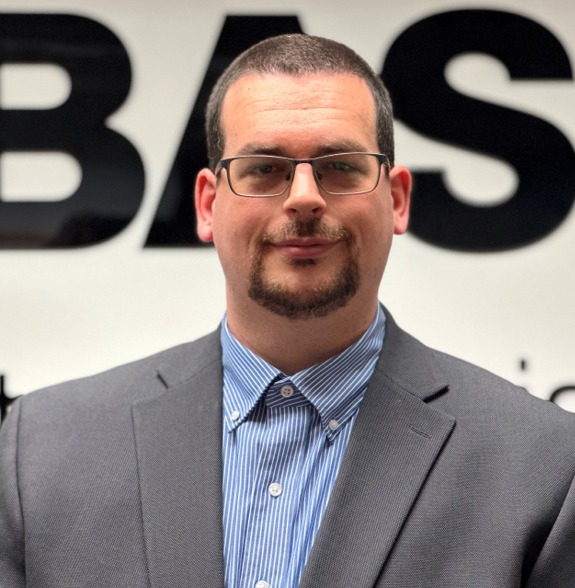
Stephen Martin
Senior Product Steward
BASF
Presentation Synopsis
An update on projects being conducted by the ACC's Diisocyanates Panel and the International Isocyanate Institute. The Aliphatic Diisocyanates (ADI) Panel of the American Chemistry Council was established in 1988 and consists of the major U.S. producers of aliphatic diisocyanates. The Panel monitors regulatory and legislative actions that may affect the industry and supports scientifically sound research and advocacy on health, safety and environmental matters.
Speaker Biography
Stephen Martin is a Senior Product Steward with BASF Corporation representing their Chemical Monomers division including diisocyanates, inorganics, and polyamide chemistries. He has been with BASF for twelve years with various roles in R&D and technical service for polyacrylic dispersions and CASE urethane raw materials. Currently, Stephen leads the Product Risk Characterization and Strategic EHS Forecast for the monomers business and is involved in their sustainability efforts, managing existing and emerging regulations, as well as educating customers on the proper safe handling and use of their products.
Additionally, Stephen represents BASF as a member of the American Chemistry Council Diisocyanate Panel and the Environmental Advisory Group of the International Isocyanate Institute which provide advocacy and scientific research for the diisocyanates industry, respectively.
"Made In USA" Claims For Consumer Products
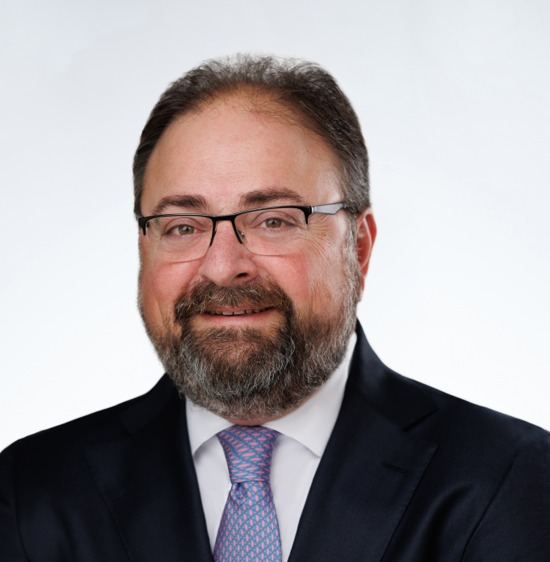
Yohai Baisburd
Partner, Cassidy Levy Kent
Presentation Synopsis
Recent research suggests that a growing segment of American consumers are inclined to purchase products made in the USA. Labeling of products as "Made In USA" must meet specific criteria, regulated by the Federal Trade Commission (FTC). These criteria are stricter than those used by Customs officials to establish Country of Origin, which largely rely on where final assembly of the product took place.
Yohai Baisburd, an attorney with Cassidy Levy Kent, has represented companies in the mattress industry for a number of years. He will discuss what factors allow producers of bedding and similar consumer products to label their products as "Made In USA."
Speaker Biography
Yohai Baisburd counsels companies, trade associations and governments in a variety of international trade matters in the United States and globally. Mr. Baisburd’s practice focuses on trade remedy (antidumping, subsidies, safeguards) litigation and import/export compliance and enforcement proceedings. He is recognized by Chambers and Partners for his Customs Law expertise and in The Best Lawyers in America for International Trade and Finance Law. Mr. Baisburd is on the roster of potential US panelists for NAFTA Chapter 19 panels.
Mr. Baisburd has significant experience in trade litigation before the U.S. International Trade Commission (ITC), the U.S. Department of Commerce (DOC), Mexico’s Secretaría de Economía, China’s Ministry of Commerce, Australia’s Productivity Commission, South Africa’s International Trade Administration Commission, the U.S. Court of International Trade, the U.S. Court of Appeals for the Federal Circuit, North American Free Trade Agreement (NAFTA) binational panels, Mexican courts and the World Trade Organization (WTO).
Mr. Baisburd also counsels clients in customs matters (internal compliance programs, fraud investigations, C-TPAT compliance, classification, valuation, country of origin marking and Free Trade Agreement and duty preference program compliance) in the United States, Latin America and Europe; export controls, sanctions and anti-boycott matters; national security controls on investment in U.S. entities, including CFIUS; and trade policy issues such as free trade agreement negotiations.

Carpet Cushion Report
Bob Clark
Executive Director
Carpet Cushion Council
Presentation Synopsis
Discussion of floorcovering industry sales trends, and regulatory challenges to the bonded carpet cushion market. Bob Clark will report on enhanced producer responsibility (EPR) legislation being considered in several states. One such bill recently passed in NY state.
Speaker Biography
Bob Clark is Executive Director of the Carpet Cushion Council. The CCC represents the North American carpet cushion industry as an advocate and an educator. As the industry resource for answers to carpet cushion-related questions, the Carpet Cushion Council educates carpet retailers, manufacturers, distributors, and cushion manufacturers about the benefits of carpet cushion. Ultimately, the Carpet Cushion Council’s objective is to provide carpet retailers with tools necessary to improve communication with customers and increase overall sales.
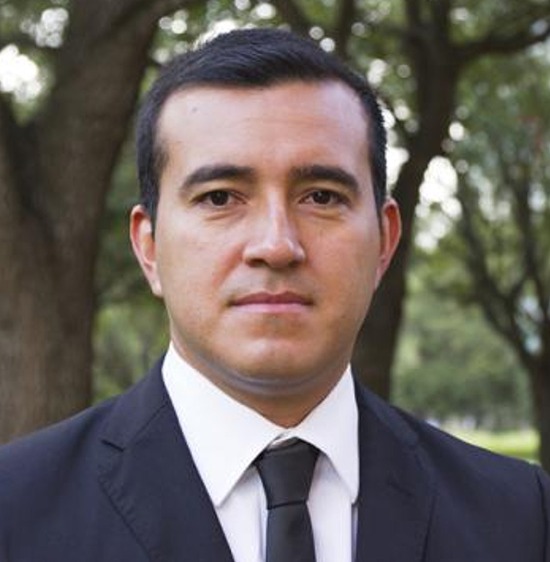
Proposed High Speed Rail In Mexico
Dr. Adrian Duhalt
Non-Resident Scholar, Mexico Studies
Baker Institute, Rice University
Presentation Synopsis
It was only a few years ago when supply chain disruptions were the number one challenge faced by the North American foam industry. Following a winter storm along the Gulf Coast, shutdowns of Texas and Louisiana chemical plants coincided with disruptions to West Coast ports and a shortage of trucking capacity. Since that time, another vulnerability was revealed by drought conditions in the Panama Canal region, which curtailed canal traffic.
Dr. Adrian Duhalt will discuss the proposed Tehuantepec corridor connecting Atlantic and Pacific ports in Mexico by high-speed rail. This ambitious project could mitigate some of the risks faced by North American supply chains.
Speaker Biography
Adrian Duhalt, Ph.D., is a Research Scholar at the Center on Global Energy Policy (CGEP) at Columbia University’s School of International and Public Affairs. He is also a Non-resident Scholar at the Center for the US and Mexico (CUSM) at Rice University’s Baker Institute.
His professional and research interests lie at the intersection of political economy and development and policy issues concerning the energy sector in Mexico, North America and Latin America. Specifically, he has led research projects focusing on natural gas and petrochemicals, however, he has similarly had the opportunity to publish articles and reports on topics such as the ammonia-fertilizer value chain, the liberalization of the energy sector in Mexico, social conflict in energy infrastructure projects, and NOCs.
Prior to joining Columbia University’s CGEP, Adrián was postdoctoral fellow in energy studies for the Center of the United States and Mexico and the Center for Energy Studies at Rice University’s Baker Institute. From 2013 to 2017, he was associate professor at the School of Business and Economics at Mexico’s Universidad de las Américas Puebla (UDLAP), where he chaired the Department of International Business in 2015 and 2016. In 2014, he was the first Puentes Consortium Visiting Scholar at the Baker Institute’s CUSM.
Adrián completed a master’s degree and Ph.D. in Economic Geography at the University of Sussex, in the United Kingdom (2012). His Ph.D. thesis looked at the development trajectory of Mexico’s petrochemical industry and for which he received the Best Ph.D. Thesis Award from the Economic Geography Specialty Group of the Association of American Geographers.
Mattress Recycling Report
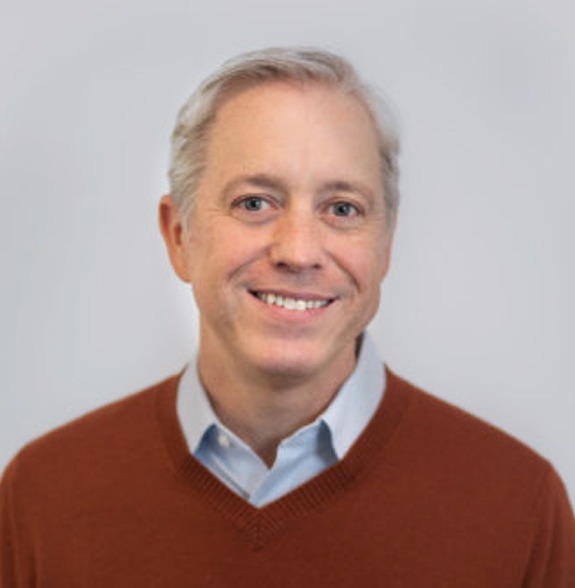
Mike O'Donnell
Chief Operating Officer
Mattress Recycling Council
Presentation Synopsis
The Mattress Recycling Council was created following the passage of three 2013 state laws mandating the industry create and administer statewide mattress recycling programs. This session will provide historical performance data showcasing how the mattress industry created successful programs to collect, transport and recycle old mattresses and box springs. MRC has recycled over 13 million units since 2015 and has diverted over 500 million pounds of steel, foam, wood and other materials from landfills.
The maturity of existing post-consumer foam rebond markets and anticipated increased recycler outputs heightens the need to diversify and grow new market channels. We will discuss MRC’s efforts to stimulate development of alternative markets and opportunities for collaboration with foam manufacturers.
Speaker Biography
Mike O'Donnell leads MRC’s day-to-day operations, manages staff, directs research efforts and oversees all aspects of the program. He has over 25 years of experience managing solid and hazardous waste collection programs for private and public entities, including product stewardship programs for paint and mercury-containing lamps. In 2013, he began working with MRC as a consultant and joined full-time in 2014 to launch the statewide mattress collection programs in California, Connecticut and Rhode Island. Today, MRC recycles nearly 2 million mattresses a year.
When he isn’t evaluating program data in a quest for continuous improvement, Mike spends his time maintaining their 100-year-old home and tending to his golf game.

Sustainability Committee Report
Andrew Kee
Technical Committee Chair
Wanhua Chemical
Presentation Synopsis
An update on the activities of PFA's new Sustainability Committee.
Speaker Biography
Andrew Kee is Director, Technical Service and Product Stewardship for flexible foams at Wanhua U.S. Prior to joining Wanhua, he spent 23 years at the Woodbridge Group (he was actually hired by Hamdy Khalil), serving in a series of management positions including Director of Sustainability & Corporate Scientist.
Thursday, May 23 Schedule
General Business Session
Thursday, May 23
9:30am-Noon
Keynote Speaker
Jack E. Davis
University of Florida
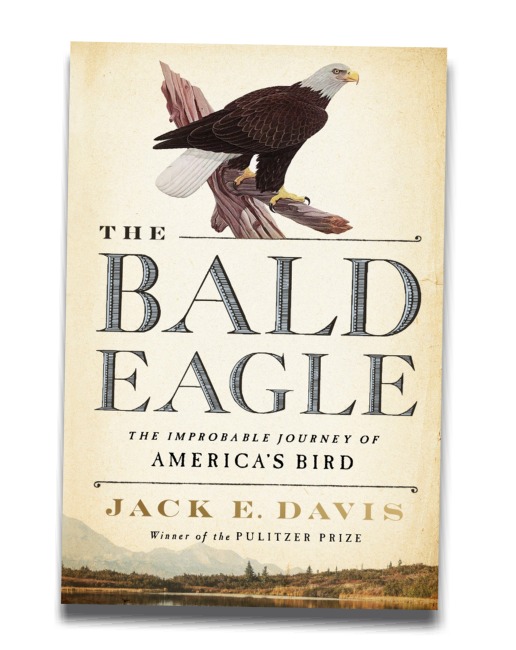

Jack E. Davis is a Pulitzer Prize-winning author and a distinguished professor of history and the Rothman Family Chair in the Humanities at the University of Florida. After earning a PhD in history from Brandeis University in 1994, he taught at Eckerd College (1994-1997) and the University of Alabama at Birmingham (1997-2003) before moving to the University of Florida, where he has taught for twenty years. From 2002-2003, he was a Fulbright scholar at the University of Jordan in Amman. He has had residential fellowships at Escape to Create in Seaside, Florida, and McDowell in Peterborough, New Hampshire, where he worked on his book The Gulf: The Making of an American Sea.
Published by Liveright/W.W. Norton, The Gulf won the 2018 Pulitzer Prize in history and the Kirkus Prize in nonfiction. The New York Times Book Review described The Gulf as a “beautiful homage to a neglected sea.” The Gulf was a New York Times Notable Book for 2017 and made several “best of” lists for the year, including those of the Washington Post, NPR, Forbes, and the Tampa Bay Times.
In 2019, Davis was one of thirty-two recipients nationwide of an Andrew Carnegie Fellowship, awarded to support the writing of his The Bald Eagle: The Improbable Journey of America’s Bird. Published by Liveright in 2022, The Bald Eagle was chosen as a New York Times Book Review Editor’s Choice, a Los Angeles Times top-five nonfiction book of 2022, and an Amazon and Apple best book of 2022. The author or editor of ten books, including the award-winning An Everglades Providence: Marjory Stoneman Douglas and the American Environmental Century, Davis has written for the New York Times, Chicago Tribune, Tampa Bay Times, Orion, Saturday Evening Post, and Smithsonian.
Currently, he is writing a new book on the American seacoast. He divides his time between Gainesville, Florida, and Harrisville, New Hampshire.
Welcome
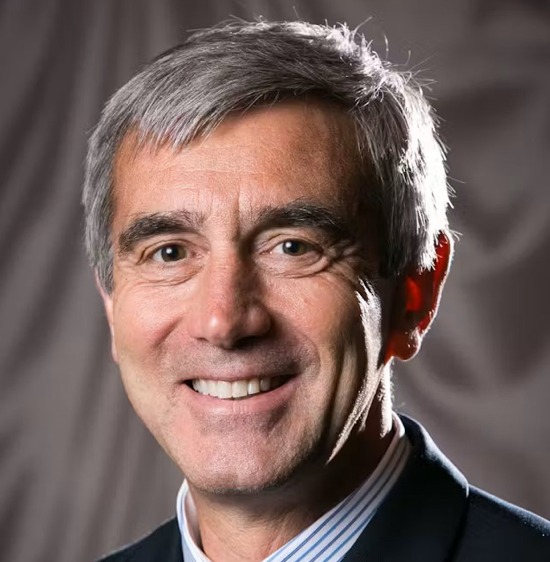
Philippe Knaub
PFA President
Senior VP and Chief Technology Officer, FXI
Speaker Biography
Knaub is Senior Vice President and Chief Technology Officer of FXI, a position he has held since 2016. He supervises all research and development projects, reporting to the company’s Chief Executive Officer. He is accountable for all aspects of R&D and product development, including project portfolio management, discovery, scale ups and commercialization of new polyurethane foams.
Knaub earned a Ph.D. in Polymer Science from the Institut National des Sciences Appliquées de Lyon. He holds multiple patents in polyol composition.
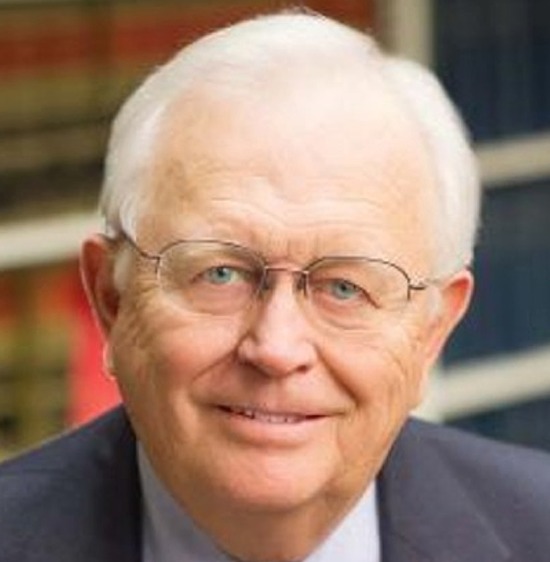
Legal Counsel Report
Jim McIntyre
PFA Legal Counsel
McIntyre & Lemon
Speaker Biography
Mr. McIntyre, a native of Vidalia, Georgia, received an A.A. degree from Young Harris College in 1959, a B.A. from the University of Georgia in 1963, and a J.D. from the University of Georgia School of Law in 1963. He is a former Director of the U.S. Office of Management and Budget. He represents clients in general corporate matters and trade association law and on legislative and regulatory issues in banking, insurance, finance, tax, and environmental areas. He is a member of the District of Columbia Bar and the State Bar of Georgia. He is admitted to practice before the U.S. Supreme Court and the U.S. Court of Military Appeals.

Membership & Treasurer's Report
Russ Batson
Executive Director
Polyurethane Foam Association
Speaker Biography
Russ Batson is Executive Director of the Polyurethane Foam Association. He has more than two decades of related experience providing public affairs and regulatory counsel, working with corporations and industry associations, to advocate issues based on credible science and sound economics. Prior to joining PFA, he served as Senior Counsel, Government Relations, Americas, for SABIC, advising one of the world’s largest chemical and plastics producers on key regulatory matters and opportunities.
Before this position, he worked for 15 years with the American Home Furnishings Alliance (formerly American Furniture Manufacturers Association) as Director of Congressional and Regulatory Affairs and as Vice President of Government Affairs. At AHFA, he was instrumental in helping shape rulemaking on upholstered furniture flammability, involving complex issues of fire science, chemical safety, product liability and federal preemption. The positive effects of his work in this area are still seen in the industry today. Batson holds bachelor’s and law degrees from the University of Virginia. He is admitted to the bar in Virginia.

Communications Report
Wayne Bowman
PFA Communications Counsel
Bowman Creative+Strategy
Speaker Biography
Wayne Bowman is Communications Counsel for PFA. In his 38-year career with advertising and public relations agencies, he has worked for more than 250 companies, including ARCO Chemical, Union Carbide, Mohawk Industries, Recticel Foam, the Flexible Foam Market Council, the Carpet Cushion Council, the Particleboard/Medium Density Fiberboard Institute, Kingsdown Mattresses, and Pennsylvania House Furniture. He first began with PFA in 1986, when he worked with Bob Luedeka at the J.P. Hogan & Company Advertising Agency. He left the agency and PFA in 1991, then returned to PFA in 2015.
His business, Bowman Creative + Strategy, works with a variety of clients and agencies throughout the Southeast. During his career, he has won more than 80 ADDY, Public Relations Society of America, and Society For Technical Communications Awards (including some for PFA). He is a member of the American Advertising Federation-Knoxville Hall of Fame, and a recipient of the American Advertising Federation National Silver Medal.
Technical Session
Thursday, May 23
2-5pm

Session Moderator
Bill Gollnitz
Technical Director, Plastomer Corp.
Immediate Past PFA President
Speaker Biography
Bill Gollnitz has more than 40 years’ experience in the flexible polyurethane foam industry. For more than 20 years, he has been Technical Director at Plastomer Corporation. Prior to that, he held group management positions at ARCO Chemical Company and Olin Chemical. He began his career in the foam industry with Firestone Foam. He has a deep understanding of how chemistry, manufacturing and suppliers can work together to advance the polyurethanes industry. He is a Past President of PFA, and currently serves on PFA’s Executive and Technical Committee. Gollnitz holds a B.A. in chemistry from Lipscomb University and an MBA from Bryant University.

Technical Committee Report
Bobby Bush, Jr.
Past President,
PFA
Presentation Synopsis
An update on Technical Committee activities, including participation in ASTM and NFPA meetings. The Technical Committee has also established a subcommittee on viscoelastic testing. This responded to a consensus among members and several participating non-members that the ASTM D35-74 (Test M) is inadequate. This test, which dates to around 2004, does not reliably measure recovery time from compression, except for the very slow recovering foams. As a result, some companies within the industry have established their own tests, resulting in additional and potentially duplicative testing by foam suppliers. Bush will report on the subcommittee findings.
Speaker Biography
Bobby Bush Jr. serves as Technical Committee Chair for PFA and Technical Director for the Upholstered Furniture Action Council (UFAC). Though he remains active in many foam industry activities (ASTM, NFPA, UFAC, AFPF (CertiPUR-US)), he recently retired – after 45 years – from Hickory Springs Manufacturing Company. During the years his roles evolved from Sales Trainee to Senior Vice President of Foam Technology. Bush wass responsible for the development and advancement of new foam products and technologies and for overseeing environmental and regulatory compliance at all company facilities.
Bush has been instrumental in developing some of the most important initiatives in the flexible polyurethane foam industry. He is a graduate of Duke University, with a degree in Business Administration and Management. He is a many-times past President of PFA.
Technical Presentations
More Abstracts To Be Posted Shortly
Update: CO2-Based Polyols for Polyurethane Applications, Liz Manning, Econic Technologies
Consumers, brands and manufacturers are seeking to adopt sustainable materials and practices. Within polyurethane, we have seen three types of sustainable polyol emerge; chemically recycled, bio-based and polyols from captured CO2. Econic Technology’s catalyst and energy-efficient process transform waste CO2 into a key ingredient that replaces oil-based epoxides in polyether polyols. The Econic catalyst allows for the amount of CO2 to be tuned, along with the molecular weight and functionality of the polyols.
In 2023 Econic presented an overview of the properties seen in comfort foams prepared with these polyols. Since then, Econic has expanded the application data to viscoelastic and combustion modified foams. This data will be shared along with an overview of how molecular weight and CO2 content in the polyol, impacts on foam properties. Finally, an update on the commercial production of these polyols by our USA licensee, Monument Chemical, will be shared and key learnings on scaling of a sustainable technology for polyurethane applications.
Modeling of Foam Composition and Properties for Viscoelastic Technology Development, Ana Nunez, Dow Chemical
Development of viscoelastic foam technology is a focal point within the Flexible Slabstock foam market, particularly for its prevalence in the construction of bedding products. Viscoelastic foam is known for its characteristic delayed response, low resiliency, and superior weight distribution properties, all of which contribute to the development of more comfortable sleep products.
There is a diverse array of formulation strategies for this technology, with the selection of an appropriate formulation largely contingent upon desired performance criteria, as well as preferences and availability of raw materials. While the impact of individual raw material variables on viscoelastic foam properties is generally well-established, understanding the relationships among interdependent variables across various formulation methods can be challenging.
The study and deconvolution of these relationships requires a methodical approach to examine the different variables influencing foam properties and their interrelations. A model has been developed that aims at elucidating the impact that formulation components have on the physical attributes of the foam. A selection of polyether polyols encompassing a range of compositions was chosen to introduce variability in raw materials across potential formulations based on both MDI and TDI.
The findings of this research can enhance comprehension of raw material selection based on desired foam performance. Furthermore, the developed model and experimental framework can serve as a foundation for future modeling endeavors aimed at enhancing formulation adaptability and solution delivery through machine learning and digitalization.
How Can The Flexible PU Foam Industry Be An Enabler For CO2 Reduction And Drive The Circular Economy? Mike Murray, The Vita Group
Sustainability has become a major economic driver, fuelled by regulation, consumer demand and necessity. If corporate annual reports in the 1990s featured safety, and in the 2000s cost, that emphasis in now about carbon footprint. Most market leading companies by now have developed corporate sustainability strategies, public commitments to reduce carbon emissions, and investments in sustainable growth and full circularity.
In this presentation, we will discuss sustainable innovations and our belief that only a systematic and ambitious approach built on partnerships will allow the flexible PU industry to achieve net zero and ultimately drive the circular economy. It is vital that we as an industry take a science-based approach to not only setting our emission reduction targets, but also in measuring the impacts of the choices we make.
Life Cycle Analysis is the only normalised and scientific method to (1) validate how sustainable your product or process is; and (2) reflect its full environmental impact. We will discuss our LCA model, and how it may serve as a roadmap for the flexible PU foam industry on its path to CO2 reduction.
Biography
Mike Murray is the Chief Innovation Officer for The Vita Group, having joined in April 2020 after spending 25 years at Morgan Advanced Materials plc. He has a passion for sustainable innovation and bringing them to market and understands the vital role the academic, supply chain, industrial collaboration plays on increasing the chance of technical and commercial success.
He holds a Bachelor’s and Ph.D. in Materials Science from the University of Birmingham. He has played a leading role in Government/Industrial Advisory Board’s and plays an active role within Europur and is Vice Chair of the Sustainability committee.
Developing New Markets For Recycled Foam, Mike Gallagher, Mattress Recycling Council
With the growth of the mattress recycling industry in the U.S., there is an urgent need to develop new end uses for post-consumer foam. Reviewing the portfolio of polyurethane foam research projects completed to date, several promising new avenues to diversify and grow end-use markets have been identified. Each of these requires the development of secondary processes to upcycle recovered materials enabling their use as reliable feedstocks for the manufacture of high performance finished products. We will discuss the technical and commercial challenges to take these to commercial scale. We believe that development of these options will increase demand for both post-consumer and post-industrial foam.
Sustainability Certification for FPF Supply Chains Using ISCC PLUS, Peter Hawighorst, International Sustainability and Carbon Certification (ISCC) Program
The circular economy and the bioeconomy continue to grow, advancing the goals of reducing dependence on virgin fossil resources, and reducing GHG emissions. In Europe and North America, legal framework requirements like climate neutrality targets, recycling quotas, plastic taxes as well as consumer preferences, company commitments and stakeholder pressure are further driving the circular economy. CertiPUR-US®, which has historically certified FPF for chemical content and emissions, recently moved to certify bio-content.
Along complex supply chains, chain of custody concepts like mass balancing ensure the credible connection of sustainability information to the materials and products in commerce, which is critical to the reputation of the companies involved. Companies, including FPF producers, are increasingly relying upon the International Sustainability and Carbon Certification (ISCC) scheme. ISCC is used by more than 7,000 companies worldwide, across entire supply chains from the point of origin of the initial petrochemical and chemical raw materials to converters, plastic producers and brand owners. ISCC provides credibility and acceptance for both B2B partners and consumers, and can potentially be used for reporting under regulatory frameworks or voluntary initiatives.
ISCC operates different schemes, which now include ISCC PLUS, a voluntary certification program for the circular economy and the bioeconomy. ISCC permits mass balancing. which allows companies to co-process sustainable and non-sustainable feedstocks. This presentation will provide an overview on ISCC and ISCC PLUS, its sustainability and traceability requirements, ways to get certified under ISCC and benefits for ISCC certified companies.
Speaker Biography
Peter Hawighorst is a project manager at the International Sustainability and Carbon Certification (ISCC) program. Before joining ISCC, he studied agricultural sciences at the University of Bonn and received a Ph.D. in forest sciences from the University of Goettingen. Afterwards he worked as a scientific coordinator at the Büsgen-Institut of the University of Goettingen. Dr. Hawighorst was part of the team that developed the ISCC PLUS approach and since then is supporting companies with the implementation of ISCC PLUS within supply chains in the chemical industry.
Integrating Foam Simulation, Process Data, And Quality Results To Improve Quality Consistency And Process Efficiency. Angel Viñas, IPF
In today's competitive foam market, combining key production processes into one platform makes operations more efficient and improves quality control. A simulator can simplify managing raw materials and working with suppliers. It also integrates foam simulation (formulation and foaming plant settings) and quality checks to keep products consistent and processes smooth.
The foaming simulator develops and tweaks formulas and adjusts production settings in real time. Therefore, we can test each batch beforehand and predict production results before starting. Linking this data with information from the tank room helps the foamer to better plan for raw material use and schedule purchases efficiently.
By connecting real-time production data with lab quality reports, the production team gets quick insights and can make fast corrections, improving transparency and responsiveness when quality issues arise.
This integrated approach lets manufacturers plan production effectively, manage inventory, and ensure consistent quality. By bringing these activities together, such a system not only improves traceability but also streamlines the overall process, helping manufacturers thrive in today’s market.
Industry Cocktail Reception
Thursday, May 23, 6:00pm
Celebrate a successful PFA meeting with good food and drink, networking, and an opportunity to catch up with industry colleagues.
During the reception, we'll also announce the Herman Stone Technical Excellence Award, voted on during the Technical Program.