
Flexible Polyurethane Foam Applications
Medical
Flexible polyurethane foam (FPF) finds significant use in the medical industry, where it is used for a variety of treatments, for protecting delicate medical instruments, and for improving patient comfort.
Polyurethanes of numerous types (particularly elastomers) are used in medicine, because polyurethane is compatible with the human body and polyurethane devices can be implanted without negative impact. Unlike latex or other materials, flexible polyurethane foam typically doesn't trigger allergic reactions, making it suitable for most patients.


Top: Convoluted flexible polyurethane foam, which has been fabricated to provide softness and support in medical applications. Left: A molded FPF pillow, with a gel insert to help keep patients cooler.

Flexible polyurethane foam has many medical roles, including improving patient comfort, contributing to treatments, and protecting medical equipment.
Since its commercialization in the 1950s, flexible polyurethane foam has been employed in a number of medical applications.
FPF is incredibly versatile, making it a desirable material for cushioning, stabilization, wound treatment, protection of medical equipment, and more. It is estimated that the market for FPF in medical applications will grow to more than $38 billion within the next decade.
Foam can be formulated to be very soft or very firm. Foam can also be fabricated, or cut, into shapes that have different comfort and stabilization properties. For example, convoluted or dimpled foam is often used in hospitals for bedridden patients, to reduce pressure on the skin that causes bed sores. Viscoelastic, or "memory" foam can be used in the same way.
Foam may also be used in conjunction with other materials in medical devices. A removable plastic or metal brace may have a layer of foam to cushion the patient from the more rigid material. Foam pads may also be used in conjunction with mechanical devices that alleviate pressure points by changing the patient's position on a periodic basis.
And reticulated foam (large, open cells that can collect fluids) is used in Negative Pressure Wound Treatment (NPWT) where a bandage with foam and a device that provides suction help draw infected fluids and tissue bits out of a wound, stimulating it to heal faster.
Benefits of FPF In Medical Applications

Support
Flexible polyurethane foam provides support to stabilize broken limbs, relieve tension on muscles, to alleviate pain and provide more patient comfort.

Comfort: Softness And Firmness
FPF can be chemically engineered to be either firm or soft. This lets medical device designers choose foam grades that perform different functions, such as providing restraint or cushioning a body part from a metal or plastic framework.

Hygienic
Flexible polyurethane foam does not support the growth of bacteria or mold, making it ideal for medical applications. Antimicrobial additives can be added to provide extra protection.

Absorption
Foam can help wick away moisture, and foam can be engineered to be hydrophilic to enhance this benefit. In addition, reticulated foams (foams with large cell openings) are used in specialty treatments such as Negative Pressure Wound Treatment (NWPT), where devices are used to help capture fluids and infection from wound sites.

Versatility
Engineering FPF to have different physical properties and to be molded or fabricated into specific shapes gives physicians and medical device manufacturers many treatment options.

Flexibility
Since foam can easily conform to different shapes, it is used in mattresses, mattress toppers, and other comfort products.

Pressure Relief
Foam can help prevent or treat wounds caused by pressure on the skin, such as bed sores. Convoluted foam or viscoelastic ("memory") foam is often used for bedding or seating to relieve pressure and stress. In some cases, foam many be used in conjunction with mechanical devices that adjust the body so that pressure points are relieved or repositioned periodically.
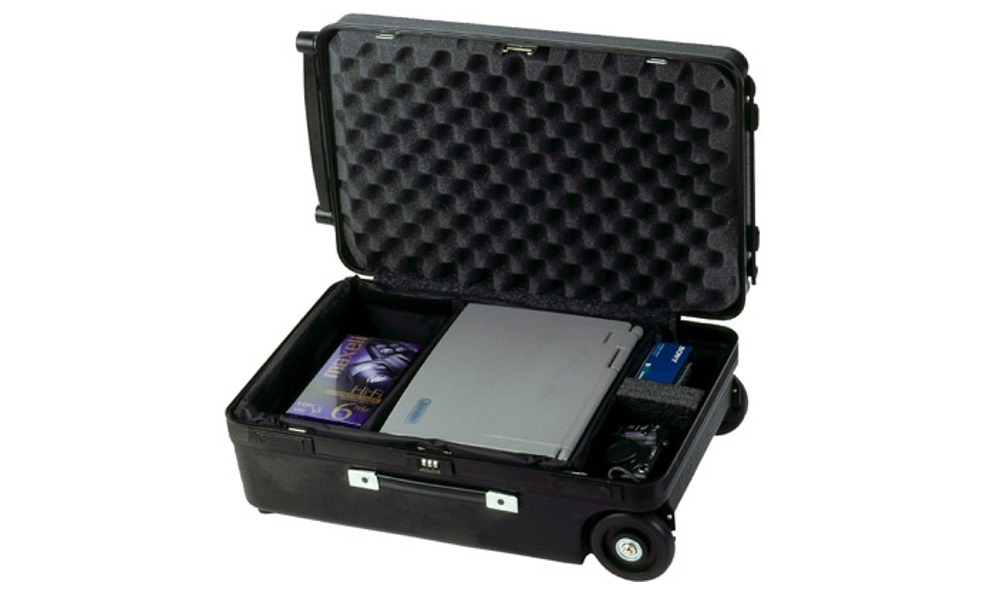
Packaging
FPF is often used to protect delicate medical instruments and electronics, especially since it does not support bacterial growth.

Value
Flexible polyurethane foam is readily available and affordable. It's lightweight and transportable, and can easily be fabricated for medical uses.
Types Of FPF Used in Medical Applications
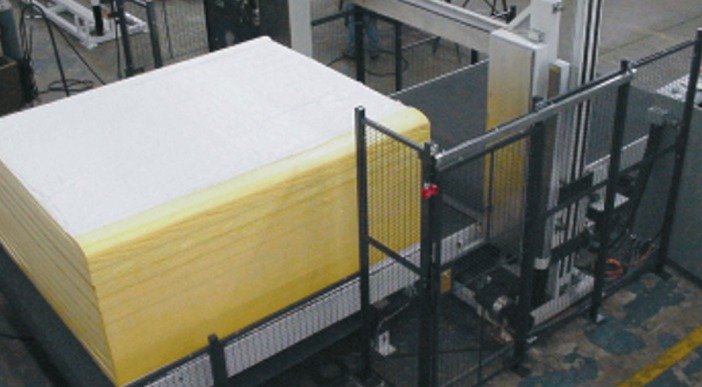
Slabstock
Foam is manufactured in large buns then cut and fabricated into specific shapes.

Molded
Foam is made in a custom mold to a specific shape. Often used for pillows and seat cushions.

Viscoelastic
Often called "memory" foam, viscoelastic foam was developed for NASA. It relieves pressure and conforms to the body.

Reticulated
This foam has large openings between cells that can trap fluids. The foam can be fomulated to be hydrophilic, which means it attracts moisture.
Medical Grade Flexible Polyurethane Foam
FPF used in medical applications is often required to be classified as medical grade and approved by the Food and Drug Administration (FDA). FDA conducts tests of devices and materials used in contact with body tissue to insure they are "biocompatible." This means that they can be appropriately sterilized and do not leach unsafe levels of chemicals.
There are several ways for foam to meet the FDA requirement, including:
Biocompatibility. In this case, the foam is tested to make sure it complies with the American National Standards Institute (ANSI) ISO 10993 protocol, the "Biological Evaluation of Medical Devices."
Registered or "Fixed" Formulation. The raw material formulation used for medical grade foam production may be already registered with the FDA.
FDA Master File. FDA maintains a master file of foam formulations. Foams made with these formulations can be tested to determine if it is medical grade.
510K Submission. For new foam products that are equivalent to existing products, a 510K form may be submitted to the FDA for quick review and approval.
USP Classification. If a raw material has been registed and used in the pharmaceutical industry, it can be approved as "medical grade."
Related Resources
Related

Flexible Polyurethane Foam: A Primer
How FPF is made, specified and used in different applications.

Technical: Foam In Mattresses
Detailed information on how foam is used in mattresses.

Technical: Fabrication
Processes for cutting and shaping foam.
Technical: Viscoelastic Foam
Properties viscoelastic or "memory" foam.

Technical: Molded Foam
How molded flexible polyurethane foam is produced and its uses.

Technical: Wheelchair cushions
Design and milling manufacture of polyurethane custom contoured cushions for wheelchair users.
Technical: Negative Pressure Wound Therapy
The methodology of negative pressure wound therapy: Separating fact from fiction.
Technical: Pressure Ulcers
Incidence, prevention and treatment of pressure ulcers in intensive care patients: A longitudinal study.