
Meeting Registration
The Polyurethane Foam Association (PFA) will hold its 2025 Spring Meeting at The Vinoy Resort & Golf Club, Autograph Collection in St. Petersburg, FL. This will be our tenth year and last currently scheduled meeting at the Vinoy, which has been totally revamped as one of Marriott's Autograph Collection botique hotels.
NOTE: After May 12, registration includes a $100.00 late fee.
PFA Member
Meeting Registration, Vinoy Autograph, St. PetersburgPFA Non-Member
Meeting Registration, Vinoy Autograph, St. PetersburgFirst-Time Attendees
Never Been To A PFA Meeting, But Want To Evaluate If Membership Is Right For Your Company? Attend At A Discounted Rate.Welcome Cocktail Reception
Tuesday, May 20, 6-7 pm
Kick off our Spring meeting with a chance to mix and "fla-mingle." Sponsored by the CertiPUR-US® Program
2025 Spring Meeting Sessions
Wednesday, May 21 Schedule
CertiPUR-US® Program Report
Wednesday, May 21
10am-11:30am
An update on CertiPUR-US® Program activities, including testing, directories, marketing, and more.

Dan Dobratz
Executive Director
CertiPUR-US® Program
Speaker Biography
Dan Dobratz earned a degree in chemical engineering from The Pennsylvania State University, and spent more than 40 years with FXI (formerly Foamex), beginning when the company was a division of Scott Paper. He most recently served as vice president of manufacturing technology, directing a team of engineering professionals to provide on-site and remote technical support to multiple plant sites producing flexible polyurethane foam products. In that capacity, Dobratz managed FXI’s CertiPUR-US® registration program for more than a decade.
Earlier roles included first-line supervision for synthetic detergent manufacturing with Procter & Gamble, pouring line manager for Carpenter Company, and field technical service for flame retardants used in rigid polyurethane foams at ExxonMobil Chemical.

Ami Neiberger
Communications Director
CertiPUR-US® Program
Speaker Biography
Ami Neiberger contributes to strategic communications, brand management, media relations, audience outreach, trade show and exhibits and much more for the CertiPUR-US program. She organizes special projects and works on publications and materials. In 2025, she became chief contributor to the Home Sweet Foam Blog. When not working on her 100+ year old house or driving her daughter to cheerleading practice, she enjoys cuddling with her dog on a couch containing certified foam and watching Florida Gator football.
Industry Issues Session
Wednesday, May 21
2-5pm
(Additional Presenters To Be Added)
Isocyanates Update
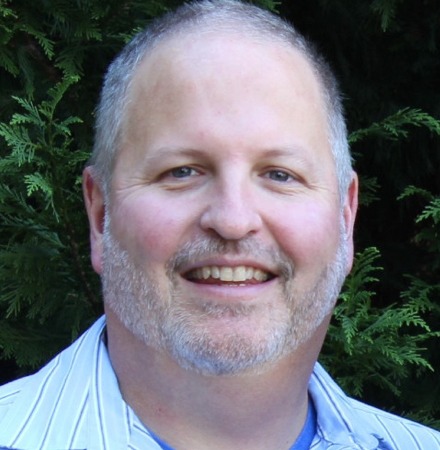
Dennis Quick
Director, Safety, Health & Environment
Wanhua
Presentation Synopsis
An update on projects being conducted by the ACC's Diisocyanates Panel and the International Isocyanate Institute. The Aliphatic Diisocyanates (ADI) Panel of the American Chemistry Council was established in 1988 and consists of the major U.S. producers of aliphatic diisocyanates. The Panel monitors regulatory and legislative actions that may affect the industry and supports scientifically sound research and advocacy on health, safety and environmental matters.
Speaker Biography
Dennis Quick is the HSE Director for Wanhua Chemical and has been there for the last 10 years. He has been involved with the Dii Panel and other groups within the American Chemistry Council.
He has been in the chemical industry in different roles since 1986. Dennis has degrees in Occupational Health and Safety and Fire Science Technology.
Using AI To Design And Optimize Supply Chains
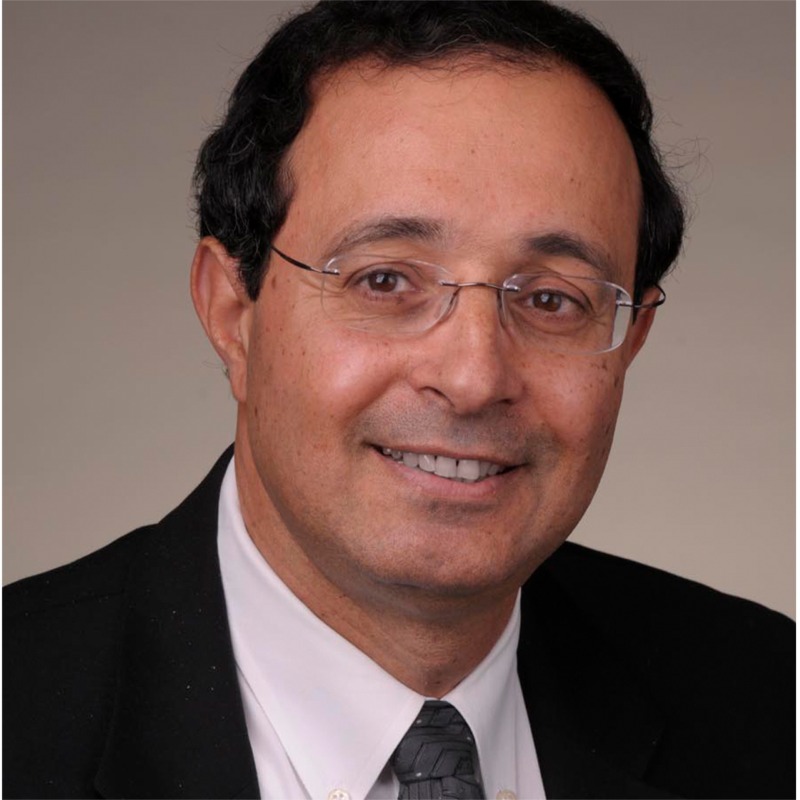
David Simchi-Levi
Head, Data Science Lab
Massachusetts Institute of Technology
Presentation Synopsis
Over the past few decades, advances in information technologies have allowed firms working to optimize their supply chains to move from decision-making on the basis of intuition and experience to more automated and data-driven methods. This has increased efficiency and reduced costs.
Now, advances in large language models (LLMs), a type of generative AI, are making it possible to perform supply chair logistics activities even faster. LLM-based technology can automate data discovery, insight generation, and scenario analysis, reducing the time to make decisions from days to minutes and dramatically increasing planners’ and executives’ productivity and impact.
Dr. David Simchi-Levi, the William Barton Rogers Professor of Engineering Systems and Head of the Data Science Lab at the Massachusetts Institute of Technology, will discuss how LLMs can be used to optimize supply chains, and also identify obstacles firms will need to overcome to deploy LLMs effectively.
Speaker Biography
David Simchi-Levi, Ph.D., is the William Barton Rogers Professor in Energy, and Professor of Civil and Environmental Engineering and Engineering Systems at MIT. He also serves as the head of the MIT Data Science Lab. He is considered one of the premier thought leaders in supply chain management and business analytics.
Professor Simchi-Levi is the current Editor-in-Chief of Management Science, a journal of data and decision science. In 2023, he was elected a member of the National Academy of Engineering.

Automotive Report
Mike Jackson
Executive Director, Strategy & Research
MEMA, The Vehicle Suppliers' Association
Presentation Synopsis
An update on the automotive industry’s current challenges, including tariffs, supply chain issues and other industry trends.
Speaker Biography
Mike Jackson leads the association’s data compilation and analytics, identifies and researches industry trends, produces relevant analysis, and represents OESA at various speaking engagements as a subject matter expert regarding economic and related industry trends and analysis.
Mr. Jackson has more than 20 years of progressive experience in strategic planning, market forecasting and management consulting. Most recently, Jackson directed the vehicle production forecasting practice in North America at IHS Markit where he was responsible for sharing trusted insight and fostering enduring relationships across a diverse global client base of automakers, suppliers and stakeholders.
Mr. Jackson holds a bachelor of science in business, management strategy from Eastern Michigan University and a master of business administration in international business from Wayne State University. Jackson gained vital international industry experience during a multi-year stay, living and working in Germany, developing language fluency.
Mattress Recycling Through Retail Returns & Donations
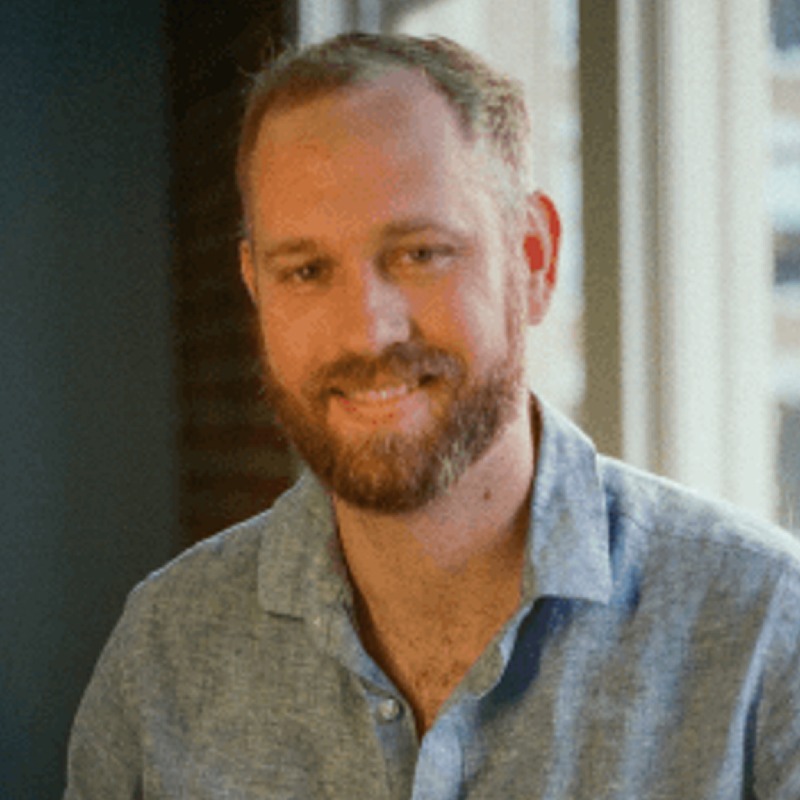
Peter Harten
Director of Growth
Liquidonate
Presentation Synopsis
Finding a cost effective way to handle mattress returns can be a big challenge. Liquidonate has created a way to reduce return costs to bulk retailers with a system that efficiently matches items with nonprofits in need across the US and Canada.
LiquiDonate is a software solution that saves retailers thousands of dollars by seamlessly donating excess inventory and unsellable returns, including mattresses and bulk items. By giving to nonprofits and schools, LiquiDonate users enhance brand image while also significantly reducing reverse logistical expenses. Donation receipts, ESG reporting, and more are included for easy financial documentation.
LiquiDonate was launched in November 2021 with vision for a world without waste. The company creates tech to enable retailers, event planners, and brands to match their excess inventory with nonprofits, charities, and schools.
Speaker Biography
Peter Harten is the Director of Growth at LiquiDonate. With a deep background in scaling startups and driving operational excellence, Pete brings over a decade of experience at the intersection of sustainability, technology, and social impact. He focuses on innovative growth strategies that combine circular economy principles with scalable tech solutions to solve waste and logistics challenges for retailers. He is passionate about creating partnerships that bridge business and social good and enjoys speaking about zero-waste solutions, startup growth, and the future of sustainable commerce.

Carpet Cushion Report
Bob Clark
Executive Director
Carpet Cushion Council
Presentation Synopsis
Discussion of floorcovering industry sales trends, and regulatory challenges to the bonded carpet cushion market. Bob Clark will report on enhanced producer responsibility (EPR) legislation being considered in several states. One such bill recently passed in NY state.
Speaker Biography
Bob Clark is Executive Director of the Carpet Cushion Council. The CCC represents the North American carpet cushion industry as an advocate and an educator. As the industry resource for answers to carpet cushion-related questions, the Carpet Cushion Council educates carpet retailers, manufacturers, distributors, and cushion manufacturers about the benefits of carpet cushion. Ultimately, the Carpet Cushion Council’s objective is to provide carpet retailers with tools necessary to improve communication with customers and increase overall sales.

Sustainability Committee Report
Andrew Kee
Technical Committee Chair
Wanhua Chemical
Presentation Synopsis
An update on the activities of PFA's new Sustainability Committee.
Speaker Biography
Andrew Kee is Director, Technical Service and Product Stewardship for flexible foams at Wanhua U.S. Prior to joining Wanhua, he spent 23 years at the Woodbridge Group (he was actually hired by Hamdy Khalil), serving in a series of management positions including Director of Sustainability & Corporate Scientist.
Thursday, May 22 Schedule
General Business Session
Thursday, May 22
9:30am-Noon
Welcome
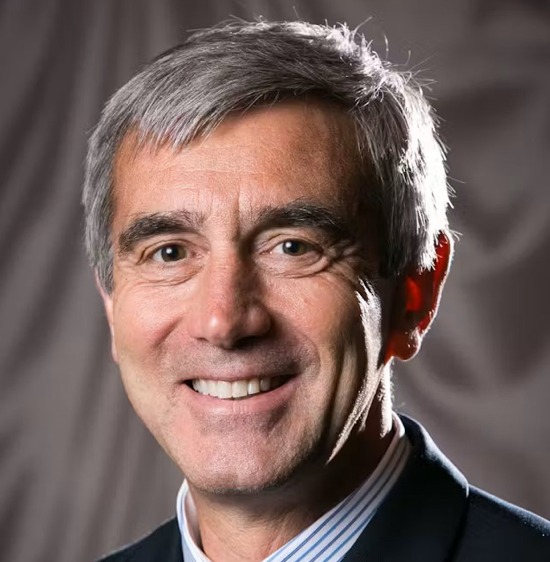
Philippe Knaub
PFA President
Senior VP and Chief Technology Officer, FXI
Speaker Biography
Knaub is Senior Vice President and Chief Technology Officer of FXI, a position he has held since 2016. He supervises all research and development projects, reporting to the company’s Chief Executive Officer. He is accountable for all aspects of R&D and product development, including project portfolio management, discovery, scale ups and commercialization of new polyurethane foams.
Knaub earned a Ph.D. in Polymer Science from the Institut National des Sciences Appliquées de Lyon. He holds multiple patents in polyol composition.

Legal Counsel Report
Arshawn Teymoorian
Partner
McIntyre & Lemon
PFA Legal Counsel
Speaker Biography
Arshawn Teymoorian specializes in advising financial institutions, insurance agencies, InsurTech startups, insurance agents, surplus lines brokers, managing general agents, insurance consultants, third-party administrators, and others on a broad range on regulatory issues.
Prior to joining McIntyre & Lemon, Mr. Teymoorian worked in the consumer financial services practice of a Chambers-ranked Am Law 200 Firm where he defended bank and non-bank lenders in class actions, investigations, and enforcement actions. Mr. Teymoorian serves as Vice Chair of the American Bar Association’s Insurance Regulation Committee. He holds a B.A. (magna cum laude) from the University of California, Riverside, and a J.D. from The George Washington University Law School. He is admitted to the bar in California and the District of Columbia.

Membership & Treasurer's Report
Russ Batson
Executive Director
Polyurethane Foam Association
Speaker Biography
Russ Batson is Executive Director of the Polyurethane Foam Association. He has more than two decades of related experience providing public affairs and regulatory counsel, working with corporations and industry associations, to advocate issues based on credible science and sound economics. Prior to joining PFA, he served as Senior Counsel, Government Relations, Americas, for SABIC, advising one of the world’s largest chemical and plastics producers on key regulatory matters and opportunities.
Before this position, he worked for 15 years with the American Home Furnishings Alliance (formerly American Furniture Manufacturers Association) as Director of Congressional and Regulatory Affairs and as Vice President of Government Affairs. At AHFA, he was instrumental in helping shape rulemaking on upholstered furniture flammability, involving complex issues of fire science, chemical safety, product liability and federal preemption. The positive effects of his work in this area are still seen in the industry today. Batson holds bachelor’s and law degrees from the University of Virginia. He is admitted to the bar in Virginia.

Communications Report
Wayne Bowman
Bowman Creative+Strategy
PFA Communications Counsel
Speaker Biography
Wayne Bowman is Communications Counsel for PFA. In his 38-year career with advertising and public relations agencies, he has worked for more than 250 companies, including ARCO Chemical, Union Carbide, Mohawk Industries, Recticel Foam, the Flexible Foam Market Council, the Carpet Cushion Council, the Particleboard/Medium Density Fiberboard Institute, Kingsdown Mattresses, and Pennsylvania House Furniture. He first began with PFA in 1986, when he worked with Bob Luedeka at the J.P. Hogan & Company Advertising Agency. He left the agency and PFA in 1991, then returned to PFA in 2015.
His business, Bowman Creative + Strategy, works with a variety of clients and agencies throughout the Southeast. During his career, he has won more than 80 ADDY, Public Relations Society of America, and Society For Technical Communications Awards (including some for PFA). He is a member of the American Advertising Federation-Knoxville Hall of Fame, and a recipient of the American Advertising Federation National Silver Medal.
Special Thursday Presentation:
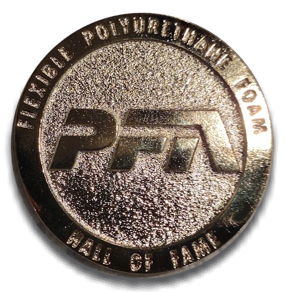
Flexible Polyurethane Foam Hall Of Fame Induction
Honoring Two Influential Industry Veterans

Helen Sullivan
Communications Director Emeritus
CertiPUR-US® Program
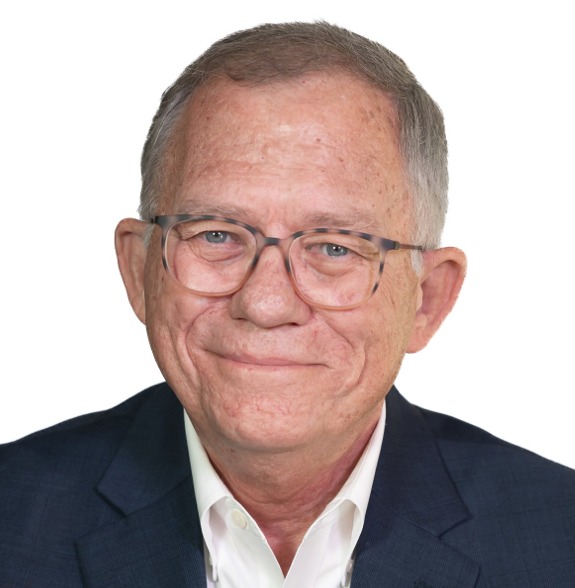
Mike Crowell
Past Executive Director
CertiPUR-US® Program
Inductee Biographies
At the May meeting, two long-term industry pioneers will be inducted into the Flexible Polyurethane Foam Hall of Fame. Helen Sullivan and Mike Crowell, both of the CertiPUR-US® certification program, will be recognized for their decades of work.
Crowell has served as the Alliance for Flexible Polyurethane Foam’s executive director for the last 10 years. His commitment to maintaining the CertiPUR-US® program’s rigorous standards as a dynamic document, continuously updated to reflect new safety and environmental regulations, has ensured its ongoing relevance.
The CertiPUR-US® program has a well-earned reputation for integrity among stakeholders within the bedding and upholstered furniture sector as well as consumers. Last May, Crowell was honored with the organization’s Outstanding Leadership Award and retired as executive director at the end of 2024.
Crowell’s distinguished career includes more than 40 years of senior management experience in the flexible polyurethane foam industry, spanning technical, manufacturing, sales and marketing positions. Before taking the helm at the AFPF, he served as vice president of marketing and sales for Flexible Foam Products. He previously was vice president of automotive sales for Foamex International (now known as FXI).
Sullivan’s relationship with flexible polyurethane foam began in the early 1980s as the advertising / public relations agency account manager for the Better Sleep Council. For 10 years, her guidance contributed to the BSC’s success in reducing the replacement cycle of mattresses and creating a market for ultra-premium bedding. “May Is Better Sleep Month,” Sullivan’s brainchild, along with other PR efforts significantly increased mattress sales, including the increased use of polyurethane foam.
In 1995, Sullivan ran a joint marketing program of the Society of the Plastics Industry and the Polyurethane Foam Association to build awareness for the benefits of flexible polyurethane foam. She later became communications counsel for PFA, involved with fire-prevention initiatives, crisis communications, flame-retardant issues and more, including creating the Fast Read newsletter.
Sullivan’s greatest contribution to the polyurethane foam business was using her marketing and business savvy to guide the CertiPUR-US® program from its inception to its present-day success. She served as the organization’s brand manager, communications strategist and continuous improvement officer for more than 15 years, spearheading everything from the program’s tagline — “foams that feel good and you can feel good about®” — to the highly recognized style of its advertising and promotional materials. In addition, she has been instrumental in shaping the supply chain record-keeping systems that give the program its deserved credibility.
Under Sullivan and Crowell’s leadership, participation in the CertiPUR-US® certification program has grown to more than 100 foam producers from around the world, now encompassing much of the foam supplied to the U.S. bedding and upholstered furniture markets.
By building a program worthy of the public’s trust, Sullivan and Crowell played key roles in transforming the flexible polyurethane foam, bedding and furniture industries.
Technical Session
Thursday, May 22
2-5pm

Session Moderator
Bill Gollnitz
Technical Director, Plastomer Corp.
Immediate Past PFA President
Speaker Biography
Bill Gollnitz has more than 40 years’ experience in the flexible polyurethane foam industry. For more than 20 years, he has been Technical Director at Plastomer Corporation. Prior to that, he held group management positions at ARCO Chemical Company and Olin Chemical. He began his career in the foam industry with Firestone Foam. He has a deep understanding of how chemistry, manufacturing and suppliers can work together to advance the polyurethanes industry. He is a Past President of PFA, and currently serves on PFA’s Executive and Technical Committee. Gollnitz holds a B.A. in chemistry from Lipscomb University and an MBA from Bryant University. In 2023, he was inducted into the Flexible Polyurethane Foam Hall Of Fame.
Technical Committee Report
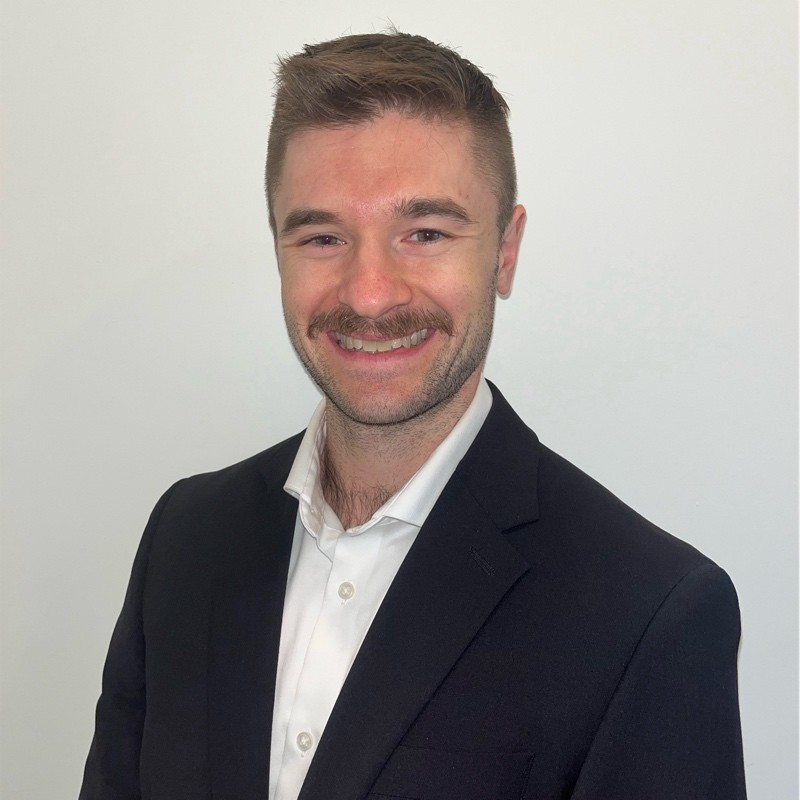
Mark McBride, BASF
Technical Committee Chair
Presentation Synopsis
An update on Technical Committee activities, including regulatory issues, flammability, and more.
Speaker Biography
McBride is the Flexible Slabstock Foam Technology Lead at BASF's Wyandotte, Michigan site. After completing his bachelor’s degree in chemical engineering, McBride began working for BASF in 2016. He completed his MBA from the Ross School of Business, University of Michigan.
He is also the lead technical contact for customers and drives the development of new innovations in flexible polyurethane foam formulations.
McBride has smoothly stepped into the Technical Committee Chair position, taking over from Hall of Famer Bobby Bush, Jr. who served in the position for years.
Technical Presentations
Multifunctional Phenol-free Additives: Advancing Performance in Polyurethane Flexible Foam, Dr. I-Chyang Lin, Everlight Chemical
In the evolving landscape of polyurethane flexible foam additives, Everaox 501 and Eversorb 673N represent a significant breakthrough in phenol-free multifunctional stabilization technologies. These products provide comprehensive protection for polyurethane foam, addressing critical performance challenges in material durability.
Both Everaox 501, an antioxidant, and Eversorb 673N, a light stabilizer, share common capabilities:
- Exceptional core burning resistance
- Advanced NOx yellowing prevention
- Phenol-free formulation
Everaox 501 excels in antioxidant performance, offering robust thermal stability and protection against material degradation. Its targeted approach ensures long-term material integrity in polyurethane foam applications.
Complementing this, Eversorb 673N extends protection with superior light stability characteristics. This additive not only prevents core burning and NOx-induced yellowing but also provides resistance to photodegradation, making it ideal for applications exposed to varied environmental conditions.
The strategic development of these multifunctional additives represents a significant innovation in material science. By integrating multiple protective mechanisms into single-solution products, manufacturers can:
- Reduce overall additive usage
- Simplify formulation complexity
- Enhance operational efficiency
- Facilitate easier new product development
The evolution from traditional single-function additives to these comprehensive stabilization solutions offers polyurethane foam producers new opportunities for performance optimization.
Exploring Microclimate Mattress Performance: Findings from Dow’s ComfortScience Studio, Ana Nuñez, Christopher Thiede, Michael Magnuson, Jeff Cassidy, Dow Chemical.
One of the key opportunities in the bedding industry is the development of standardized methodologies to measure performance attributes of mattresses and other comfort products. This has the potential to positively impact the entire value chain. For consumers, it can improve the quality of information available when making a product selection. For OEMs, it can facilitate advances in the design and quality of their products. For raw material suppliers, it can direct the focus of their innovation efforts.
Dow and GoodBed have been collaborating to address this opportunity by developing new testing methods and techniques to measure and enhance comfort. We categorize comfort into ergonomics, microclimate, and sensation, allowing us to delve into the fundamental material properties that influence performance.
This study focuses on the microclimate performance of a series of mattresses. We employ a comprehensive approach to examine how mattresses behave under wet and dry conditions, aiming to quantify how various mattress characteristics affect the microclimate and overall sleeping experience.
Speaker Biography
Ana Nunez works at the Dow Chemical Company as part of Core R&D - Analytical Sciences, which she joined in 2015. She earned a Bachelor’s degree in Chemistry from the University of Texas at El Paso, and a Ph.D. in Inorganic Chemistry from the University of Texas at Austin.
Advancements in Pink Stain Testing for Marine Polyurethane Foams: Overcoming the Limitations of ASTM E1428. Darrell Snyder, Arxada
In marine applications, ensuring the cleanliness and durability of materials like polyurethane foam is critical due to the harsh environmental conditions and the potential for microbial contamination. Microbial growth, particularly from Streptomyces sp., can lead to staining, deterioration, and odors, compromising material integrity. The ASTM E1428 pink stain method, a widely used test method for polymeric solids, is designed to detect microbial contamination by visually identifying, pink-colored staining. However, when applied to polyurethane foam, this method presents significant limitations. The porous structure of the polyurethane foam can cause the liquid inoculum to be absorbed unevenly, as well as preventing it from making proper contact with the agar plate. This leads to inconsistent results and makes it difficult to interpret microbial staining. Moreover, the subjective nature of visual inspection increases the risk of false positives or negatives.
The new ASTM E3364-22 pink stain test method is better suited for the porous nature of polyurethane foams, providing more dependable, and consistent results. This method was developed and approved by a work group consisting of many companies and scientists including Daniel L. Price of Interface Incorporated. Several years ago, Dr. Price presented recent interlaboratory studies that led to this new pink stain method. The new method addresses these challenges by changing the inoculation procedure to ensure consistent contact with the inoculum, and eliminating the visual inconsistencies by rating all staining, not just pink. Additionally, the adoption of the modified method ensures higher confidence in microbial monitoring for polyurethane foam used in marine applications, ultimately enhancing product quality. This emphasizes the importance of choosing the right pink stain test method to obtain accurate and reliable results when assessing staining caused by microbial contamination in polyurethane foams.
Supporting the Foam and Mattress Industries’ Environmental Compliance Responsibilities and Sustainability Goals: Proven Success in Industrial-Scale Chemical Recycling of Flexible PU Foam. Mila Skokova, H&S Anlagentechnik
Foam and mattress producers face increasing pressure to advance product recycling due to environmental regulations and a demand for sustainable practices from customers,investors and other stakeholders. In Europe, REACH directives and member state laws are phasing out landfilling and requiring increasing levels of recycled content. In the U.S., California, Rhode Island, and Connecticut have implemented enhanced producer responsibility (EPR) laws requiring manufacturers to finance and manage the recycling of end-of-life (EOL) mattresses. This coincides with the maturation and of the rebond market for scrap foam. Sustainability metrics such as the EU Ecolabel and CertiPUR-US® certification likewise incentivize recycling by the mattress and foam industry.
This presentation highlights breakthroughs in the chemical recycling of flexible polyurethane (PU) foam, focusing on post-industrial waste and EOL materials, using examples from IKANO, Dow’s RENUVA™ and RetourMatras. Industrial-scale plants in Europe and Mexico are already successfully reclaiming polyols from flexible PU foam waste, and these polyols can be incorporated at high percentages into the production of both flexible and rigid PU products without compromising their quality. The presentation will assess the performance characteristics of flexible foam derived from modern recycled polyols.
Speaker Biography:
Mila Skokova is the Deputy Managing Director of Sales at H&S Anlagentechnik, a position she has held since 2019. In addition, she has been serving as Product Manager and R&D Coordinator for recycling reactors since 2005. Mila holds a Master’s degree in International Economics from Donetsk National University, Ukraine. With over 15 years of experience in the field, she has played a key role in advancing H&S’s innovative recycling technologies and driving business growth in the international market.
Synthesis of CO2-Based Polyols and Their Use for Sustainable Polyurethane Foam Production for Automotive End Use Cases. Thomas Andre, Ford Motor Company
Improving sustainable content and reducing carbon footprint in the manufacture of polyurethane (PU) foams, used extensively in automotive interiors, can play an essential role in achieving automotive industry goals for carbon neutrality. While Ford Motor Company and other automotive OEMs have used soy and other bio-renewable resources to displace petroleum feedstocks for PU foams and other vehicle plastics, this study investigates the incorporation of captured CO2 as a low-carbon emission feedstock for foam production. Three distinct reaction schemes were developed and employed to synthesize CO2-derived polyols, which were then formulated into PU foams for both seating and NVH (noise, vibration, and harshness) applications, alongside commercially available CO2-derived polyols. Machine learning algorithms were leveraged to optimize formulations, maximizing the sustainable content while still meeting rigorous manufacturing criteria and performance properties. Laboratory-scale experiments first validated key foam properties before scale-up to pilot and finally industrial production. The final CO2-derived PU foams were demonstrated to meet industrial manufacturability and component level performance for end use applications.
Authors
Thomas Andre, Ford Motor Company
Ellen C. Lee, Ford Motor Company
Xiaojiang Wang, Ford Motor Company
Sushmit Chowdhury, Ford Motor Company
Diane Murtonen, Ford Motor Company
Ibrahim Sendijarevic, Troy Polymers
Kristina Armstrong, Oak Ridge National Laboratory
Komal Kooduvalli, Oak Ridge National Laboratory, Rochester Institute of Technology
Matthew Korey, Oak Ridge National Laboratory
A Case Study Of FPF Pillows Produced With High-Biocontent Polyol, Yielding Similar Performance And Comfort, And Reduced Life-Cycle Carbon Emissions viz. Products Made With Conventional Fossil-Based Polyol, Jesse Mella, Leaf Polyols
Participants in the foam and bedding industry face pressure from key elements of the supply chain, including large retailers and investors, to differentiate their products from the standpoint of sustainability. The sustainability narrative must be documented through accepted metrics and testing, to avoid perceptions of “greenwashing,” and the associated risk of reputational harm to the companies involved.
Leaf’s product line and production practices offer such differentiation, along with verifiable performance and sustainability metrics. Our biopolyols have high biocontent, ranging from 75% to 99%, and can maximize the use of renewable resources in industrial applications. Beyond the renewable origin of the product itself, the entire production chain has been designed to have the lowest possible environmental impact.
This paper presents a case study of a polyurethane memory foam pillow commercialized in partnership with Colchões Castor, a leading Brazilian producer of comfort, sleeping and wellness products. We will present test data demonstrating performance and comfort comparable to conventional polyurethane pillows, along with documented carbon reduction.
Performance During Manufacturing and Consumer Use
BioVisco™ technology enables the incorporation of high biocontent material in the finished product, producing a low viscous material with 800 centipoises @ 25C of temperature. This provides easier mold filling, reduced air bubble encapsulation, reduction of foam scrap generation, and improved, smoother foam formation.
The BioComfort® pillow maintains the same comfort and quality standards as conventional products on the market. This is indicated by the ratio of the IFD (Indentation Force Deflection) measured @ 65% deflection, and by the IFD @ 25%. The results boast a comfort factor of 2.2, along with a compression set of 5.6%, comparable to fossil-based products.
Recued Carbon Footprint
BioVisco™ is produced from modified vegetable fatty acids and oils from sustainable crops. LEAF prioritizes raw materials that do not compete with the food chain, contributing to responsible resource management. Beyond the renewable origin of the product itself, the entire production chain has been designed to have the lowest possible environmental impact. The company optimizes agricultural practices, minimizes fertilizer and pesticide use, prioritizes manual harvesting to boost the local economy of small producers, and implements energy-efficient production processes.
A carbon footprint study was conducted by ACV Brasil, a third-party consultancy, and validated by SGS. The results confirm that the life cycle of LEAF's polyol effectively contributes to reduced greenhouse gas emissions. The Life Cycle Assessment (LCA) was conducted using a cradle-to-LEAF gate approach, ensuring a comprehensive evaluation of the environmental impact from raw material sourcing through the production process. This certification reinforces the reliability of the data and highlights the positive impact of the technology, aligning with ISO 14067 standards, a global benchmark for carbon footprint quantification.
The results are meaningful and show a negative carbon footprint for all grades ranging from negative (0.1932) to negative (1.0787) Kg of CO₂ equivalent (CO₂e) /Kg of polyol produced while conventional fossil-based polyols release approximately 3.900 kg of CO₂e per Kg produced. A comparative study shows that pillows made with BioVisco™ technology present 66% reduction on carbon footprint with only 1.71 Kg CO₂e /Kg versus 4.97 Kg CO₂e /Kg of foam made with 100% fossil-based polyols.
This new category of biopolyols can contribute toward the industry’s transition to a differentiated, valuable and low-carbon economy and provide end consumers with greener goods of high performance and comfort.
Industry Cocktail Reception
Thursday, May 22, 6:00pm
Celebrate a successful PFA meeting with good food and drink, networking, and an opportunity to catch up with industry colleagues.
During the reception, we'll also announce the Herman Stone Technical Excellence Award, voted on during the Technical Program.